
How Apple Built a Premium Brand Image Through Perception
In a world where most companies compete on price, features, or speed, Apple chose a completely different battlefield: perception. It didn’t just build products it built a feeling. A belief. A status symbol.
Today, Apple isn’t just a tech company it’s a premium lifestyle brand. And the most fascinating part? That perception wasn’t accidental. It was engineered.
Let’s break down exactly how Apple built one of the strongest premium brand images in the world and what you can learn from it. (Check out our service : Build Reputation)
1. It Sold Identity, Not Just Products
When you buy an iPhone or a MacBook, you’re not just buying hardware. You’re buying into a certain identity.
From the early “Think Different” campaign led by Steve Jobs, Apple positioned itself as the brand for:
- Creators
- Innovators
- Non-conformists
It wasn’t about specs it was about who you are.
Key takeaway:
Premium brands don’t sell products. They sell self-image.
2. Simplicity Became Luxury
While competitors overloaded users with features, Apple made simplicity feel sophisticated.
- Clean UI
- Minimal design
- Seamless user experience
Products like the iPhone and MacBook became known for “just working.”
This created a powerful perception:
“If it’s simple, it must be well-designed. If it’s well-designed, it must be premium.”
Key takeaway:
Luxury often feels effortless even when it isn’t.
3. Pricing Strategy Reinforced Value
Apple never competed on price. In fact, it often priced higher than competitors.
But here’s the genius:
High price didn’t hurt demand it strengthened perception.
Why?
Because people associate:
- Higher price = Higher quality
- Higher price = Exclusivity
Apple leaned into this psychology.
Key takeaway:
If your brand positioning is premium, your pricing must support the story.
4. Obsession with Design & Packaging
Apple turned unboxing into an experience.
From the weight of the box to the slow lift of the lid everything is intentional.
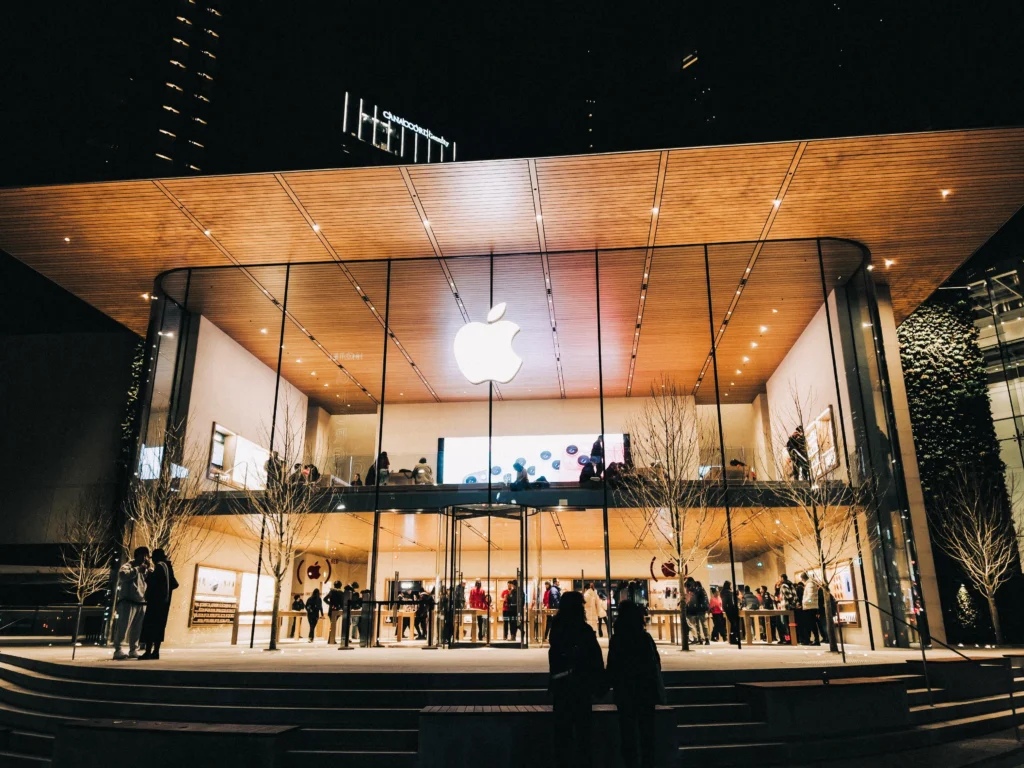
Their retail stores are also designed like luxury showrooms, not electronics shops.
Even their website reflects:
- Clean layouts
- Strong visuals
- Minimal distractions
Key takeaway:
Every touchpoint shapes perception not just the product.
5. Consistency Across Everything
One of Apple’s biggest strengths is consistency.
Whether you’re:
- Watching an ad
- Visiting a store
- Using a device
You get the same feeling: premium, clean, controlled
Unlike many brands that feel different across platforms, Apple feels the same everywhere.
Key takeaway:
Trust is built when perception is consistent.
6. Controlled Ecosystem = Controlled Experience
Apple created a closed ecosystem:
- iPhone
- Mac
- iPad
- Apple Watch
All work seamlessly together.
This does two things:
- Improves user experience
- Increases switching cost
The result?
Customers don’t just buy Apple they stay with Apple.
Key takeaway:
Control the experience, and you control the perception.
7. Scarcity & Hype Marketing
Apple mastered anticipation.
Every product launch feels like an event.
Limited initial availability creates urgency.
People line up. Social media explodes. Reviews flood in.
It’s not just a launch it’s a cultural moment.
Key takeaway:
Scarcity + anticipation = perceived value.
8. Emotional Advertising Over Technical Specs
Apple ads rarely focus on:
- RAM
- Processors
- Benchmarks
Instead, they focus on:
- Creativity
- Human connection
- Lifestyle
They show what you can do, not what it has.
Key takeaway:
Emotion builds brands. Specs sell products.
9. Social Proof & Cultural Status
Owning Apple products has become a status symbol.
From influencers to professionals, Apple is associated with:
- Success
- Creativity
- Modern lifestyle
Even small signals (like blue iMessage bubbles) reinforce this perception.
Key takeaway:
When your customers become your marketers, perception scales automatically.
10. Brand Discipline: Knowing What NOT to Do
Apple doesn’t:
- Flood the market with too many products
- Compete in budget segments aggressively
- Compromise on brand image
This restraint protects its premium perception.
Key takeaway:
Premium brands grow by saying no more often than yes.
Final Thoughts
Apple didn’t just build a company it built a perception engine.
It understood something most businesses miss:
People don’t buy what something is. They buy what it represents.
And that’s the real secret behind premium branding.