How Competitors Can Damage Your Reputation (And What You Can Do About It)
Reputation has become one of the most valuable assets for any business or professional. A strong reputation helps attract customers, secure partnerships, improve search visibility, and build long-term trust. However, the same online environment that enables businesses to grow also creates opportunities for competitors to harm a company’s reputation.
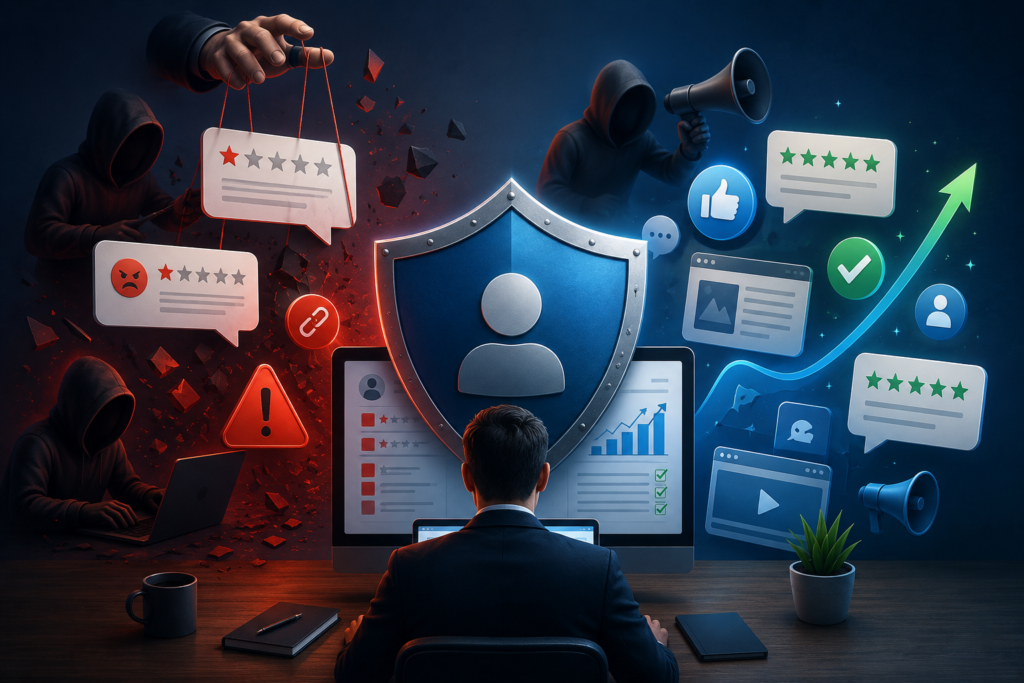
While healthy competition is a normal part of business, some competitors resort to unethical tactics to gain an advantage. These actions can damage trust, reduce sales, impact search engine results, and create long-lasting challenges for individuals and organizations.
Understanding how competitors can influence your online reputation is the first step toward protecting yourself. In this article, we’ll explore the most common tactics used by competitors, the impact these actions can have, and the strategies businesses can use to defend and strengthen their online reputation. (Check out our service : Negative News/Article Removal , Negative URL/Link Removal , Remove Negative Reviews , Repair Reputation , Build Reputation)
Why Reputation Matters More Than Ever
Before discussing competitor-driven reputation attacks, it’s important to understand why reputation is so critical.
Modern consumers research businesses before making purchasing decisions. They read reviews, search for company names on Google, browse social media profiles, and look for third-party opinions.
Studies consistently show that:
- Most consumers read online reviews before purchasing.
- Negative search results can significantly reduce trust.
- People are more likely to avoid a business with a poor online reputation.
- A single damaging article or review can influence customer perception for years.
Because reputation directly impacts revenue, unethical competitors may attempt to manipulate public perception for their own benefit.
Common Ways Competitors Can Damage Your Reputation
1. Fake Negative Reviews
One of the most common tactics involves posting fake reviews on platforms such as:
- Google Business Profile
- Yelp
- Trustpilot
- Industry-specific review websites
Competitors may create anonymous accounts and leave negative reviews describing experiences that never happened.
These reviews can:
- Lower your overall rating
- Discourage potential customers
- Reduce conversion rates
- Trigger trust concerns
Even a handful of fake reviews can influence buying decisions, especially for small businesses that have limited review volume.
Warning Signs
Fake reviews often:
- Contain vague accusations
- Lack specific details
- Come from accounts with minimal activity
- Appear in sudden clusters
2. Negative SEO Attacks
Search engine visibility plays a major role in reputation management.
Some competitors attempt to damage rankings through negative SEO tactics, including:
- Building spam backlinks
- Creating low-quality link networks
- Duplicating content
- Generating fake spam signals
The goal is to make search engines view a website as less trustworthy.
Although modern search engines are better at identifying manipulation, negative SEO can still create issues if left unmonitored.
Potential Consequences
- Loss of rankings
- Reduced organic traffic
- Lower lead generation
- Brand credibility concerns
3. Publishing Misleading Content
Competitors sometimes publish content designed to create doubt about a business.
Examples include:
- Misleading comparison articles
- Biased reviews
- Anonymous blog posts
- Forum discussions containing false claims
Because online content can rank in search engines, these materials may appear whenever someone searches for your company name.
Even when information is inaccurate, readers may assume it is true simply because it appears in search results.
4. Social Media Smear Campaigns
Social media platforms allow information to spread rapidly.
Unethical competitors may:
- Create fake profiles
- Share misleading claims
- Encourage negative comments
- Amplify criticism through coordinated activity
These campaigns can quickly gain visibility and create reputational challenges before the targeted business has a chance to respond.
The speed of social media often makes reputation damage occur faster than traditional forms of negative publicity.
5. Fake Complaints and Consumer Reports
Some businesses face fabricated complaints submitted to:
- Consumer complaint websites
- Industry directories
- Online forums
- Local community groups
These complaints may describe:
- Poor customer service
- Billing disputes
- Product quality issues
- Ethical concerns
Even when completely false, such complaints can influence public perception and appear in search results.
6. Review Bombing
Review bombing occurs when multiple negative reviews appear within a short period.
This tactic often involves:
- Fake accounts
- Coordinated posting
- Organized campaigns
The objective is to overwhelm legitimate feedback and reduce overall ratings.
Review bombing can significantly impact businesses that rely heavily on local search visibility and customer reviews.
7. Impersonation and Fake Profiles
Competitors may create fake online profiles that imitate:
- Business owners
- Company representatives
- Employees
- Customer support accounts
These fake profiles can:
- Spread misinformation
- Mislead customers
- Damage trust
- Create confusion
Impersonation is particularly harmful because customers may believe the content originates from the legitimate business.
8. Forum and Community Manipulation
Discussion forums remain highly visible in search results.
Competitors may:
- Post anonymous allegations
- Start negative discussions
- Revive old controversies
- Encourage public criticism
Because forums often rank well on Google, these discussions can remain visible for years.
Potential customers frequently encounter such content while researching companies online.
The Business Impact of Reputation Attacks
Many organizations underestimate the financial consequences of online reputation damage.
A competitor-driven reputation attack can lead to:
Reduced Sales
Customers may choose alternative providers if they encounter negative reviews or damaging content.
Lower Conversion Rates
Even interested prospects may hesitate to make contact when trust has been weakened.
Increased Customer Acquisition Costs
Businesses may need to spend more on advertising to compensate for lost organic trust.
Brand Erosion
Negative content can gradually weaken brand authority and recognition.
Recruitment Challenges
Potential employees often research employers online before applying.
Negative search results can discourage qualified candidates from joining your organization.
How to Identify Reputation Attacks Early
The earlier a reputation issue is detected, the easier it becomes to manage.
Businesses should regularly monitor:
- Search engine results
- Online reviews
- Social media mentions
- News coverage
- Industry forums
- Consumer complaint websites
Look for unusual patterns such as:
- Sudden review spikes
- Identical language across reviews
- New negative articles appearing simultaneously
- Increased mentions from anonymous accounts
Early detection allows businesses to respond before issues gain momentum.
How to Protect Your Reputation
Monitor Your Online Presence
Reputation monitoring should be an ongoing process.
Track:
- Brand mentions
- Executive names
- Product names
- Company reviews
- Industry discussions
Consistent monitoring helps identify problems before they become major issues.
Encourage Genuine Customer Reviews
Authentic reviews create a strong defense against fake criticism.
Businesses should:
- Request feedback from satisfied customers
- Simplify the review process
- Respond professionally to reviews
- Maintain review consistency
A large volume of legitimate reviews reduces the influence of isolated fake reviews.
Respond Professionally
Avoid emotional responses.
When addressing negative content:
- Remain calm
- Focus on facts
- Demonstrate professionalism
- Offer solutions when appropriate
Public responses often influence future customers more than the original criticism.
Strengthen Search Results
A strong online presence can help reduce the visibility of negative content.
Effective strategies include:
- Publishing high-quality content
- Maintaining active social media profiles
- Building authoritative backlinks
- Creating educational resources
- Generating positive media coverage
The more positive content associated with your brand, the harder it becomes for negative material to dominate search results.
Document Evidence
If you suspect competitor interference:
- Save screenshots
- Archive URLs
- Record dates and times
- Maintain evidence of suspicious activity
Documentation may be useful when reporting violations to platforms or seeking legal guidance.
Report Policy Violations
Most platforms prohibit:
- Fake reviews
- Impersonation
- Harassment
- Fraudulent activity
Submitting clear evidence improves the likelihood of successful removal requests.
Work With Reputation Management Professionals
In serious cases, professional reputation management services can help:
- Monitor threats
- Remove harmful content where possible
- Improve search visibility
- Develop content suppression strategies
- Strengthen brand trust
Professional support is often valuable when negative content begins affecting revenue or business growth.
Building a Reputation That Resists Attacks
The best defense is a strong reputation built over time.
Businesses with:
- Consistent customer satisfaction
- Positive review profiles
- Strong content presence
- Active community engagement
are generally more resilient when facing reputation challenges.
A well-established brand with hundreds of positive signals is far less vulnerable than a business with little online presence.
Final Thoughts
Competition is a natural part of business, but not all competitors play fairly. Fake reviews, misleading content, social media attacks, negative SEO, and impersonation can all be used to damage a company’s reputation and influence customer perception.
Fortunately, businesses are not powerless. By actively monitoring their online presence, encouraging authentic customer feedback, responding professionally, and building a strong digital footprint, organizations can reduce the impact of competitor-driven reputation attacks.
In today’s online landscape, reputation management is no longer optional. It is a critical component of business protection, customer trust, and long-term success. Companies that proactively manage their reputation are better positioned to withstand challenges, maintain credibility, and continue growing even in highly competitive markets.
(Check out our service : Remove Negative Reviews)