
How Data Broker Websites Collect Your Information: Understanding the Hidden Data Economy
The internet has made everyday life more convenient than ever. We shop online, use social media, search for information, subscribe to newsletters, and download mobile apps with just a few clicks. While these services often appear free, there is usually a hidden cost: your personal information.
Behind the scenes, an entire industry known as the data brokerage industry collects, organizes, and sells information about millions of people worldwide. Many individuals have never heard of data brokers, yet these companies may know surprisingly detailed information about them.
From your address and phone number to your shopping habits and online behavior, data broker websites gather information from countless sources and build comprehensive profiles that can be sold to businesses, advertisers, and other organizations.
In this article, we’ll explain how data broker websites collect your information, where they get their data, why they collect it, and what you can do to protect your privacy. (Check out our service : Repair Reputation)
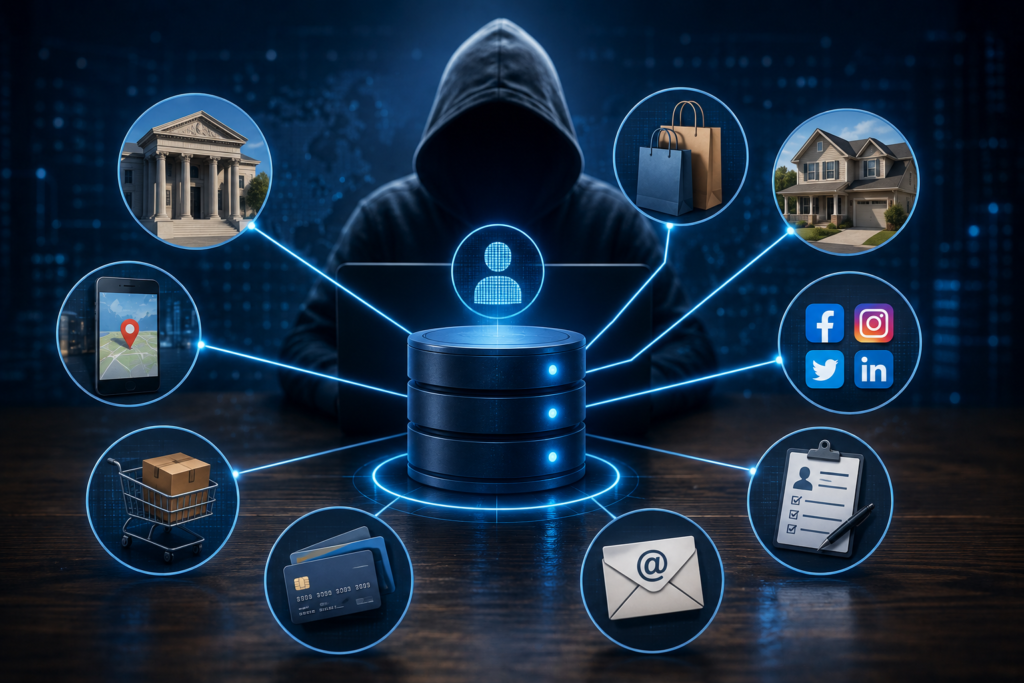
What Are Data Broker Websites?
Data broker websites are companies that collect personal information from various sources, compile it into databases, and either sell access to that information or use it to create consumer insights.
Some data brokers operate as people-search websites where anyone can search for information about an individual. Others work exclusively behind the scenes, supplying data to advertisers, financial institutions, marketers, recruiters, and businesses.
These companies may create profiles that contain:
- Full name
- Current and previous addresses
- Phone numbers
- Email addresses
- Age and date of birth
- Employment history
- Education records
- Family members and associates
- Property ownership records
- Estimated income
- Purchasing behavior
- Online interests
- Social media activity
Most consumers never directly interact with these companies, yet their information may already exist in multiple data broker databases.
Why Data Brokers Want Your Information
Personal data has become one of the most valuable assets in the digital economy.
Businesses use consumer information to:
- Deliver targeted advertisements
- Generate marketing leads
- Improve customer segmentation
- Analyze buying behavior
- Assess financial risk
- Conduct identity verification
- Personalize offers and promotions
The more information data brokers can gather about an individual, the more valuable that profile becomes to potential buyers.
This demand has fueled the rapid growth of the data brokerage industry over the past decade.
Public Records: A Major Source of Personal Information
One of the largest sources of information for data broker websites is public records.
Many government agencies maintain records that are legally accessible to the public. Data brokers often collect and organize this information into searchable databases.
Examples include:
- Property records
- Voter registration records
- Court filings
- Marriage records
- Business registrations
- Professional licenses
- Bankruptcy filings
Although these records are publicly available, most people do not expect them to be aggregated and displayed in one convenient online profile.
Data brokers make this information significantly easier to find, which increases privacy concerns.
Social Media Monitoring
Every social media post, comment, like, or public profile update can contribute to your digital footprint.
Data brokers frequently gather information from publicly accessible social media platforms.
This may include:
- Profile information
- Photos
- Locations
- Employment details
- Education history
- Interests and hobbies
- Public interactions
Even if you rarely post online, friends and family members may tag you in photos or mention you in public content, creating additional data points that can be collected.
Many people underestimate how much personal information they reveal through social media activity alone.
Website Tracking Technologies
Nearly every website you visit collects some information about your behavior.
Common tracking technologies include:
Cookies
Cookies are small files stored on your device that help websites remember user preferences and browsing activity.
They can track:
- Pages visited
- Time spent on websites
- Products viewed
- Shopping cart activity
- Login sessions
Tracking Pixels
Tracking pixels are invisible images embedded in web pages or emails.
These pixels can monitor:
- Email opens
- Website visits
- User engagement
- Advertising performance
Browser Fingerprinting
Browser fingerprinting identifies users based on unique characteristics of their devices and browsers.
Factors may include:
- Operating system
- Browser version
- Screen resolution
- Installed fonts
- Device settings
Unlike cookies, browser fingerprints are often harder for users to block or remove.
These technologies generate valuable behavioral data that can eventually be shared with marketing platforms and data providers.
Mobile Apps and Location Data
Many mobile applications request permissions that extend far beyond their primary function.
Examples include access to:
- Location data
- Contacts
- Photos
- Microphone
- Device identifiers
Some app developers share collected information with advertising networks and third-party partners.
Location data is particularly valuable because it can reveal:
- Home addresses
- Work locations
- Daily routines
- Travel habits
- Shopping preferences
Repeated location tracking can create highly detailed movement profiles over time.
This information may ultimately become part of larger consumer databases maintained by data brokers.
Online Purchases and Consumer Behavior
Every online purchase creates a data trail.
Retailers and e-commerce platforms often collect information such as:
- Purchase history
- Spending patterns
- Product preferences
- Payment methods
- Shipping addresses
Some businesses share anonymized or aggregated consumer data with third-party marketing companies.
When combined with information from other sources, these records help data brokers develop detailed profiles about consumer interests and buying habits.
For example, purchasing fitness equipment, health supplements, and workout apparel may place someone into a specific marketing category.
Loyalty Programs and Membership Accounts
Rewards programs often provide discounts, points, or exclusive offers in exchange for customer information.
Retailers collect:
- Purchase frequency
- Product preferences
- Spending levels
- Store visit patterns
Many consumers willingly share personal details when enrolling in loyalty programs without realizing how much information can be gathered over time.
These insights may be shared with marketing partners or contribute to broader consumer profiling efforts.
Data Purchased from Other Companies
Data brokers do not rely solely on information they collect themselves.
Many buy information from:
- Retailers
- Marketing firms
- Survey providers
- Analytics companies
- Advertising networks
- Lead generation businesses
This practice allows brokers to combine information from multiple sources into a single profile.
A company that only knows your email address may purchase additional details about your income, location, interests, or purchasing behavior from another provider.
The result is a significantly more complete picture of your life.
Online Forms and Lead Generation Websites
Whenever you fill out an online form, you may be providing valuable personal information.
Common examples include:
- Newsletter signups
- Contest entries
- Quote requests
- Free consultations
- Download forms
- Webinar registrations
Depending on the website’s privacy policy, your information may be shared with partners, advertisers, or lead-generation networks.
Many users focus on obtaining the promised resource and overlook how their information may be used afterward.
How Data Brokers Build Consumer Profiles
The true power of data brokers comes from aggregation.
A single piece of information may seem harmless.
However, when brokers combine data from:
- Public records
- Social media
- Mobile apps
- Online purchases
- Marketing databases
- Website tracking tools
they can create surprisingly detailed profiles.
These profiles may reveal:
- Relationship status
- Household composition
- Financial standing
- Shopping preferences
- Career information
- Lifestyle choices
- Political interests
- Consumer habits
The more data points available, the more accurate these profiles become.
Risks Associated with Data Broker Websites
The widespread availability of personal information creates several privacy concerns.
Identity Theft
Exposed personal information can help criminals impersonate individuals or gain unauthorized access to accounts.
Increased Spam
Data broker databases often contribute to unwanted emails, phone calls, and marketing messages.
Reputation Risks
Personal information appearing on public people-search websites may expose details individuals prefer to keep private.
Personal Safety Concerns
Publicly accessible addresses and contact information can create safety risks for professionals, executives, public figures, and private citizens alike.
Loss of Privacy
Many people simply feel uncomfortable knowing that extensive personal profiles are being bought and sold without their direct involvement.
How to Reduce Your Exposure
While eliminating your digital footprint entirely is difficult, there are practical steps you can take.
Review Privacy Settings
Limit the amount of personal information visible on social media platforms.
Be Selective With Forms
Only provide personal information when necessary.
Limit App Permissions
Review location, contact, and tracking permissions regularly.
Use Privacy-Focused Browsers
Privacy-focused browsers and extensions can reduce tracking activity.
Opt Out of Data Broker Websites
Many data brokers offer opt-out procedures that allow individuals to request removal of their information.
Monitor Your Online Presence
Regularly search your name online to identify exposed personal information and monitor changes over time.
Final Thoughts
Data broker websites operate largely behind the scenes, collecting information from public records, websites, mobile apps, social media platforms, loyalty programs, and numerous commercial partners. Through aggregation and analysis, they create detailed profiles that can be sold and used for advertising, marketing, risk assessment, and consumer targeting.
While the data brokerage industry continues to grow, individuals are not powerless. Understanding how these companies collect information is the first step toward protecting your privacy, reducing your digital footprint, and maintaining greater control over your personal information.
As concerns about online privacy continue to rise, awareness and proactive reputation management have become essential parts of protecting both your personal identity and your digital reputation.