How X/Twitter Controversies Impact Reputation
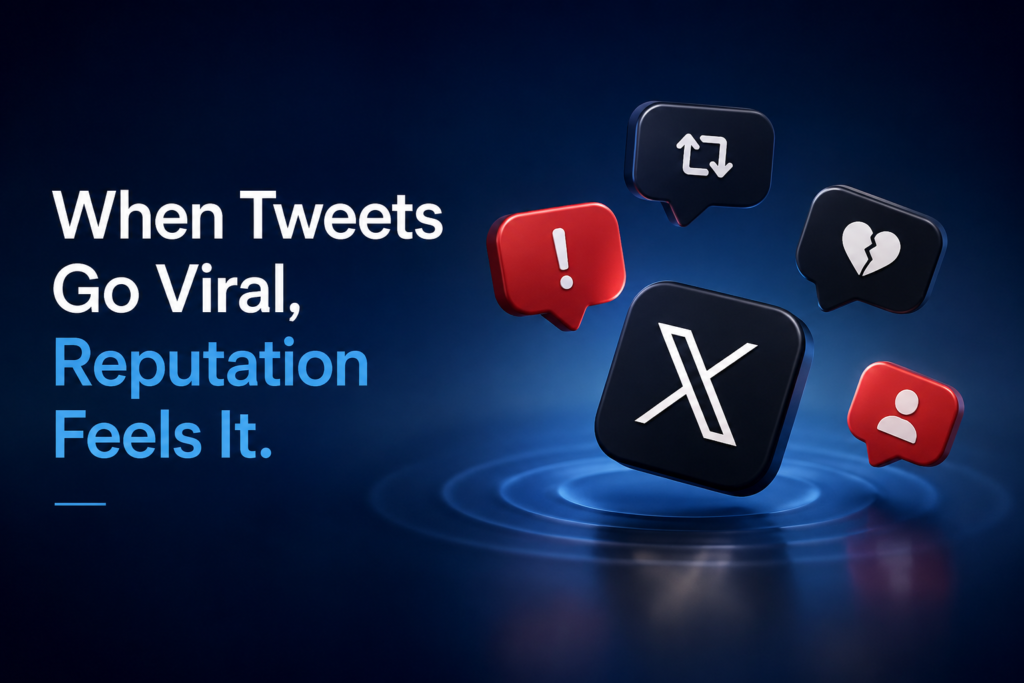
In the digital era, reputation can change overnight. A single post on X can trigger public outrage, media attention, customer distrust, and long-term damage to individuals or businesses. Whether it is a celebrity, CEO, startup founder, influencer, or established company, controversies on social media now influence public perception faster than traditional news cycles ever could.
What makes X/Twitter especially powerful is its speed. Conversations spread in real time, screenshots last forever, and trends can reach millions within hours. A poorly worded tweet, an old post resurfacing, or a viral accusation can significantly affect careers, partnerships, sales, and even search engine results.
This blog explains how controversies on X/Twitter impact reputation, why online backlash spreads so quickly, and what individuals and businesses can do to protect themselves from long-term reputational damage. (Check out our service : Repair Reputation)
Why X/Twitter Has So Much Influence on Reputation
Unlike many social platforms, X/Twitter is built around public conversations. Posts are searchable, shareable, and highly visible. Journalists, influencers, brands, and consumers all interact in one place, making it a central hub for public opinion.
Several factors make X/Twitter particularly dangerous during controversies:
1. Viral Amplification
One controversial tweet can be reposted thousands of times within minutes. The platform rewards engagement, meaning outrage often spreads faster than balanced discussions.
2. Screenshots Never Disappear
Even if a tweet is deleted, screenshots usually remain online forever. Users frequently archive controversial posts and circulate them on other platforms like Reddit, Instagram, TikTok, and YouTube.
3. Media Coverage Starts on Twitter
Many news stories begin as Twitter trends. Journalists monitor viral conversations constantly, meaning controversies often move from social media into mainstream media quickly.
4. Search Engine Visibility
Tweets and Twitter profiles often appear in Google search results. When controversies gain traction, negative tweets, hashtags, or news articles can dominate branded searches.
5. Emotional Reactions Drive Engagement
People engage more with emotionally charged content. Anger, outrage, and controversy typically outperform neutral discussions, causing reputational crises to spread rapidly.
Common Types of X/Twitter Controversies
Controversies on X/Twitter come in many forms. Some are accidental, while others are coordinated attacks or public backlash campaigns.
Offensive or Misinterpreted Tweets
Many reputation crises begin with a single tweet that users consider offensive, insensitive, or inappropriate. Humor, sarcasm, or political opinions are often misunderstood or taken out of context.
Even years-old tweets can resurface and create public backlash.
Customer Complaints Going Viral
A dissatisfied customer posting screenshots, videos, or accusations can quickly attract public attention. If the company responds poorly or ignores the issue, the controversy can escalate rapidly.
Brands frequently face criticism over:
- Customer service
- Product quality
- Refund disputes
- Employee behavior
- Delivery issues
- Ethical concerns
Political or Social Statements
Public figures and companies increasingly face pressure regarding political or social issues. Statements supporting or opposing sensitive topics can divide audiences instantly.
Some brands lose customers due to perceived political alignment, while others face criticism for remaining silent.
Employee or Executive Misconduct
Executives, founders, and employees represent the company publicly. A controversial tweet from leadership can directly impact brand trust.
This often includes:
- Discriminatory comments
- Harassment allegations
- Public arguments
- Leaked private messages
- Viral workplace accusations
Fake Accusations and Coordinated Attacks
Not all Twitter controversies are legitimate. Competitors, trolls, or online communities sometimes spread misleading narratives intentionally.
Hashtag campaigns, fake screenshots, or manipulated clips can damage reputations before facts are verified.
How Twitter Controversies Damage Reputation
The effects of an online controversy extend far beyond social media. In many cases, the damage becomes visible across search engines, business partnerships, customer trust, and future opportunities.
1. Loss of Public Trust
Trust is difficult to rebuild once damaged publicly. Consumers often associate brands or individuals with the controversy long after the event ends.
Even temporary backlash can reduce:
- Customer loyalty
- Brand credibility
- Investor confidence
- Audience engagement
2. Negative Google Search Results
One of the biggest long-term problems is search visibility. Viral Twitter controversies often lead to:
- News articles
- Blog discussions
- Reddit threads
- YouTube commentary videos
- Forum discussions
These pages can rank on Google for years, especially when users search a person’s name or business.
For example:
- “[Brand Name] controversy”
- “[Person Name] Twitter scandal”
- “[Company] backlash”
This creates a lasting digital footprint that affects future reputation.
3. Loss of Business Opportunities
Companies and professionals may lose:
- Clients
- Partnerships
- Sponsorships
- Job opportunities
- Speaking engagements
Brands often avoid associating with controversial figures due to reputational risk.
4. Media Escalation
Once a controversy gains traction, media outlets frequently amplify it further. News coverage introduces the issue to audiences beyond social media.
This increases:
- Search engine visibility
- Public scrutiny
- Long-term reputation damage
5. Emotional and Personal Impact
For individuals, online controversies can become emotionally overwhelming. Public criticism, harassment, and targeted attacks may affect mental health and personal relationships.
This is especially common when controversies involve misinformation or mass online outrage.
How Controversies Spread Beyond Twitter
A controversy rarely stays limited to one platform. Twitter discussions often spread to:
- TikTok
- YouTube
- News websites
- Blogs
- Online forums
Once discussions spread across multiple platforms, reputation management becomes significantly more difficult.
For example:
- A tweet goes viral.
- Screenshots spread to Reddit.
- Influencers discuss it on YouTube.
- News websites publish articles.
- Google indexes everything.
This creates a long-term reputation problem that extends beyond the original tweet.
Can Twitter Controversies Be Removed From Google?
In some cases, yes – but not always completely.
Content removal depends on:
- Platform policies
- Legal violations
- Defamation laws
- Privacy violations
- Copyright infringement
- Harassment policies
However, many controversial tweets remain online because they do not violate platform rules.
That is why reputation management often focuses on:
- Suppressing negative search results
- Publishing positive content
- SEO strategies
- PR campaigns
- Content creation
- Legal requests where applicable
How to Respond to a Twitter Controversy
Handling a controversy correctly can significantly reduce long-term damage.
1. Avoid Emotional Reactions
Responding emotionally often worsens the situation. Many viral crises escalate because people react impulsively.
Before posting:
- Review the facts
- Consult advisors or PR professionals
- Understand public sentiment
2. Acknowledge Issues Quickly
Silence can appear dismissive. If a mistake was made, addressing it professionally usually works better than ignoring it.
A clear response should include:
- Accountability
- Clarification
- Professional tone
- Action steps if necessary
3. Do Not Argue Publicly
Public fights on Twitter rarely improve reputation. Arguments usually increase engagement around the controversy and attract more attention.
4. Monitor Search Results
Track how the controversy appears on Google. Often, the long-term issue is not the tweet itself but the search results created afterward.
Monitor:
- Google search pages
- News mentions
- Reddit discussions
- Autocomplete suggestions
5. Invest in Reputation Management
Professional ORM (Online Reputation Management) strategies can help reduce the visibility of damaging content over time.
This often includes:
- SEO optimization
- Positive press coverage
- Branded content creation
- Authority building
- Social media cleanup
- Search suppression campaigns
Preventing Future Reputation Damage on Twitter
Prevention is always easier than damage control.
Review Old Tweets
Old tweets are frequently resurfaced during controversies. Conduct regular audits of past posts and remove anything potentially harmful or misleading.
Create a Social Media Policy
Businesses should establish clear guidelines for employees and executives regarding public communication online.
Separate Personal and Professional Communication
Many controversies happen because personal opinions become associated with a professional brand.
Think Before Posting
Ask:
- Could this be misunderstood?
- Would this damage partnerships?
- Could screenshots spread publicly?
Even deleted posts can survive permanently online.
The Role of Online Reputation Management
Online reputation management has become essential in a world where social media controversies influence search results and public opinion.
ORM strategies help individuals and brands:
- Reduce negative visibility
- Build positive search presence
- Improve trust
- Recover from viral controversies
- Strengthen digital credibility
A strong reputation strategy is no longer optional for public-facing businesses or professionals.
Final Thoughts
X/Twitter controversies can have serious and lasting consequences. What begins as a single viral tweet can quickly evolve into a broader reputation crisis involving news coverage, Google search results, customer distrust, and long-term brand damage.
The speed of social media means reputations are now shaped in real time. Businesses, influencers, professionals, and public figures must understand how quickly online narratives spread and how difficult they can be to reverse once they gain momentum.
The most effective approach combines prevention, fast response strategies, and long-term reputation management. In today’s digital landscape, protecting your online reputation is just as important as building it.
(Check out our services: Monitor Reputation)