Cancel Culture and Celebrities: Lessons from Will Smith
Let’s be honest cancel culture isn’t new. What is new is how fast it moves. One moment you’re trending for your achievements, the next you’re trending for… well, something you probably wish never happened.
And if there’s one modern, headline-grabbing example of this rollercoaster, it’s Will Smith and the now-infamous moment at the Academy Awards 2022.
Let’s break it down not like a boring lecture, but like a real conversation about reputation, mistakes, and what brands (and humans) can actually learn from it.
(Check out our service : Negative News/Article Removal , Negative URL/Link Removal , Remove Negative Reviews , Repair Reputation , Build Reputation)
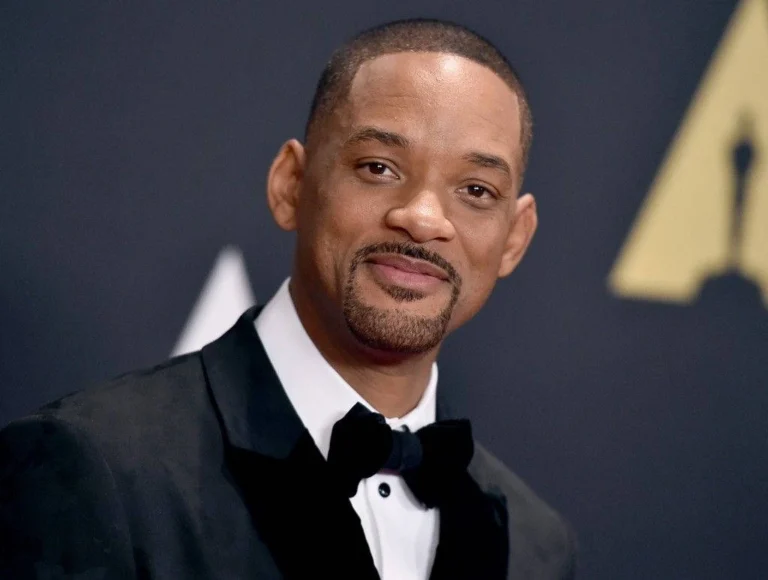
The Moment That Changed Everything
During the live broadcast of the Academy Awards 2022, Will Smith walked on stage and slapped Chris Rock after a joke about his wife.
Within minutes:
- Clips went viral
- Memes flooded the internet
- Opinions split into teams
- And boom – cancel culture kicked in
It wasn’t just a moment. It became a global case study in reputation collapse.
The Immediate Fallout
The consequences came in fast and loud:
- Public backlash across social media
- Projects paused or reconsidered
- Resignation from the Academy of Motion Picture Arts and Sciences
- A 10-year ban from attending the Oscars
In ORM terms? This was a full-blown digital crisis.
So… Was He “Cancelled”?
Here’s where things get interesting.
Despite everything:
- His movies still get views
- Fans still support him
- His name still carries massive value
So was he really “cancelled”? Or just… held accountable for a moment?
Cancel culture isn’t always permanent. It’s more like a reputation shockwave how long it lasts depends on what you do next.
Lesson 1: One Moment Can Outweigh Years of Good Work
Will Smith had decades of goodwill. But one viral incident temporarily overshadowed all of it.
Takeaway for brands:
You don’t build reputation in a day—but you can damage it in minutes.
Lesson 2: The Internet Judges Fast (and Loud)
There’s no “grace period” anymore.
Before any official statement:
- Twitter had verdicts
- Instagram had opinions
- YouTube had breakdown videos
Takeaway:
If you’re not controlling your narrative, the internet will happily do it for you.
Lesson 3: Your First Response Matters A LOT
Will Smith eventually issued a public apology but timing and tone are everything.
A delayed or unclear response can:
- Make things worse
- Look inauthentic
- Give more space for criticism
Takeaway:
In crisis situations, silence isn’t neutral it’s risky.
Lesson 4: Redemption Is Possible (But Not Instant)
Unlike the old days, cancel culture today has a twist comebacks are possible.
But they require:
- Consistency
- Accountability
- Time
No one trusts a “one-post apology and we’re good” approach anymore.
Lesson 5: Public Image = Personal + Professional
Celebrities aren’t just professionals they’re personal brands.
The line between:
- “What you do at work”
- and “Who you are as a person”
…is basically gone.
Takeaway for founders & creators:
Your personal behavior is your brand now.
What Brands Can Learn from This
Let’s translate this into business language:
- Always monitor your reputation (before something blows up)
- Have a crisis plan ready (don’t improvise under pressure)
- Respond quickly, but thoughtfully
- Don’t fake authenticity people can tell
- Play the long game when rebuilding trust
Final Thought
Cancel culture isn’t just about “ending” someone it’s about how quickly perception can shift.
The real question isn’t:
“Can you avoid mistakes?”
Because you can’t.
The real question is:
“What do you do after the mistake?”
Because that’s what defines your reputation.
And if there’s anything the world learned from Will Smith… it’s that your comeback story matters just as much as your fall.
(Check out our service : Repair Reputation)